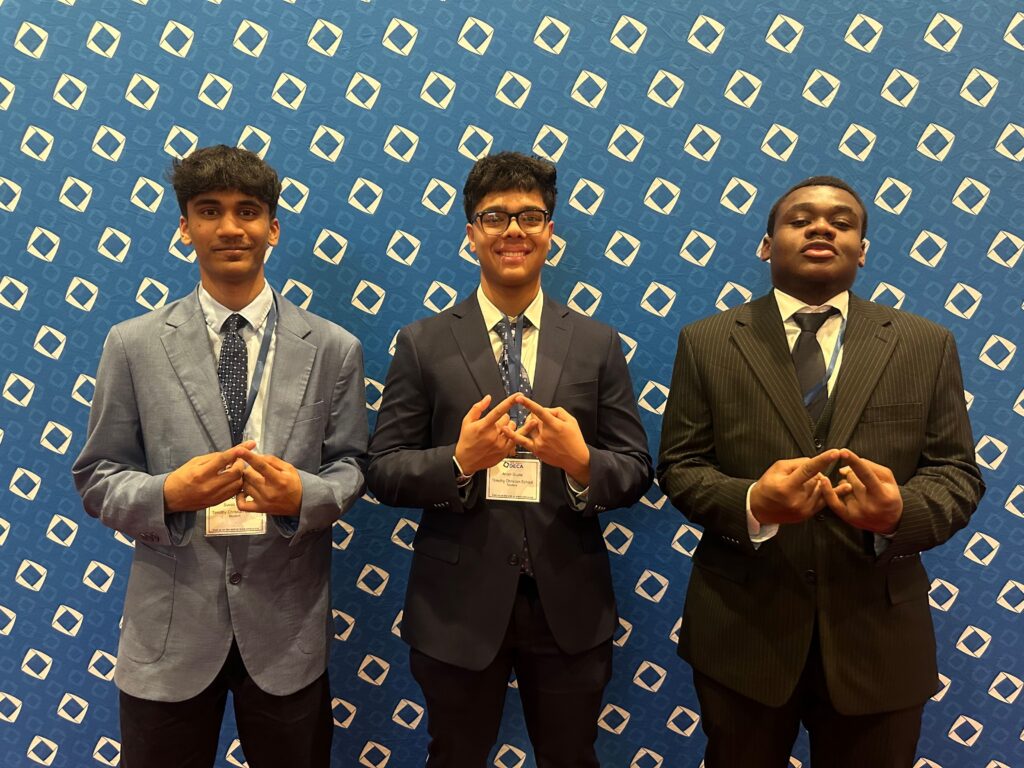
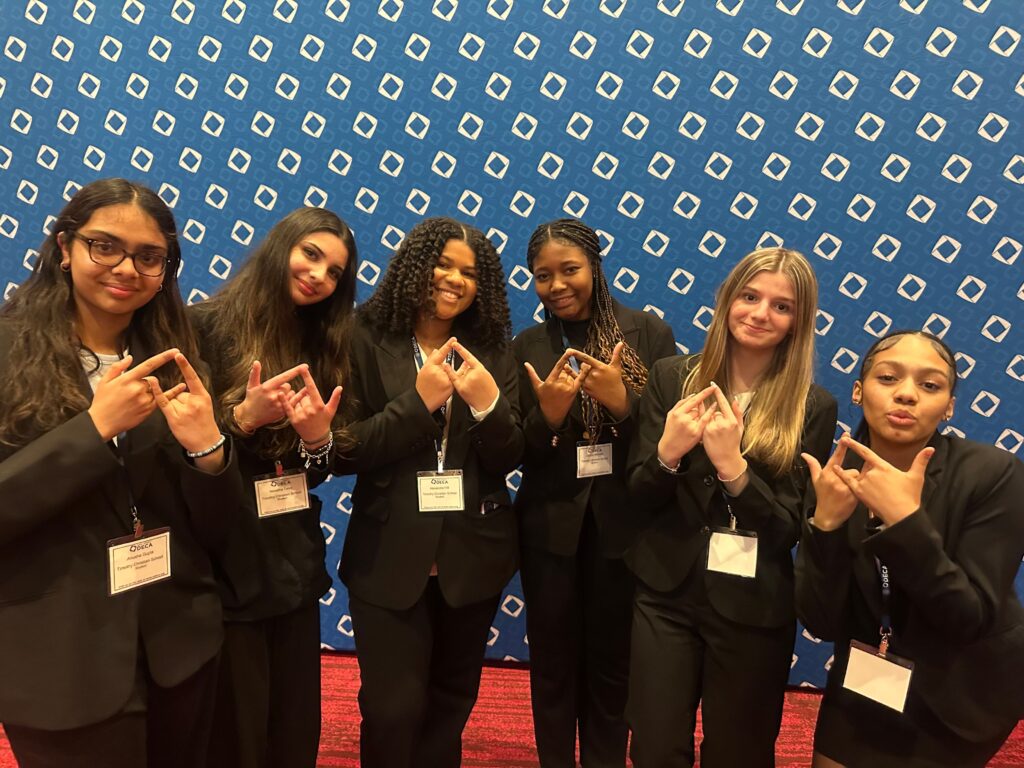
 This year, Timothy Christian School started its first DECA chapter with 11 students. The main goal was to give students real opportunities to use business and leadership skills in practical situations.
DECA is a student group that helps future leaders and entrepreneurs get ready for careers in business, marketing, finance, hospitality, and management. Instead of just learning in class,
DECA puts students in real-world situations like role-plays, case studies, presentations, and written events. These activities help students think critically, communicate well, and handle business challenges under pressure.
In competition, this can look different depending on the event. In a role-play, for example, a student might walk into the room and be given a business scenario, such as a customer complaint, a drop in sales, or a staffing issue. After a short prep time, usually 10-15 minutes, they present a solution to a judge, explaining their recommendations and answering follow-up questions on the spot.
In a written event, students spend weeks developing a full business idea or marketing plan. This could include something like creating a launch strategy for a new product, designing a promotional campaign, or building a plan to improve a company’s customer engagement. At the competition, this work is presented as a pitch deck, where students walk judges through their research, strategy, and proposed solutions, similar to how a business team would pitch to real stakeholders.
As a first-year chapter, students had to quickly learn what DECA actually looks like in practice. That meant figuring out how to break down prompts, organize responses, and present ideas in a professional and confident way.
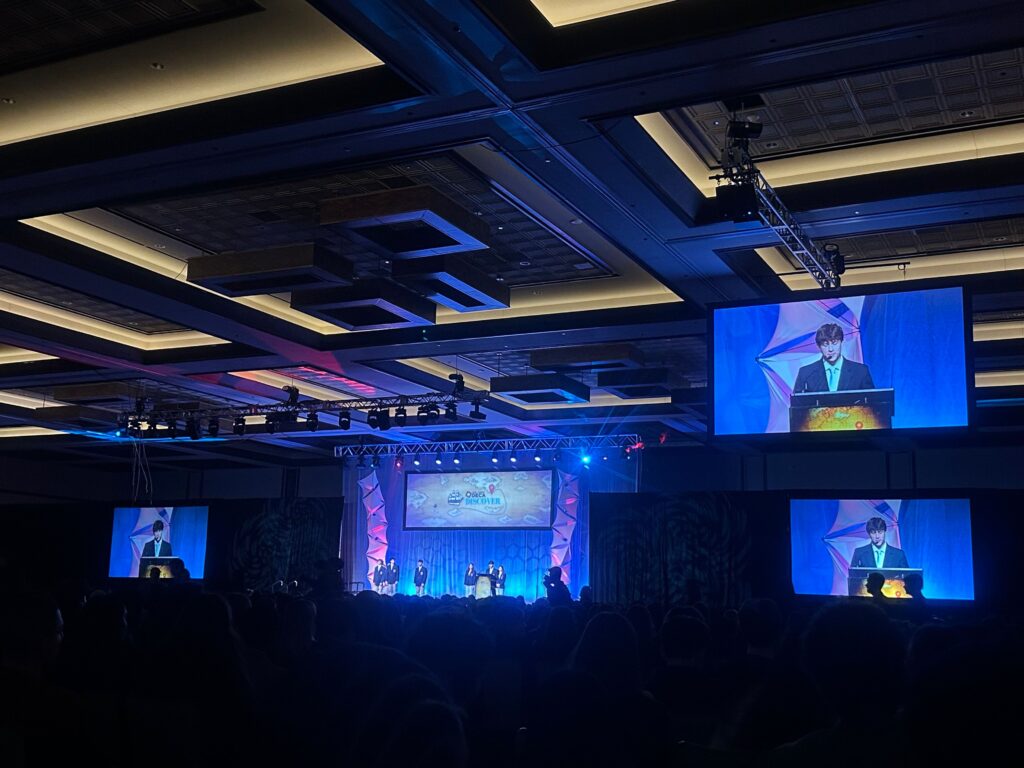 A major milestone came with participation in both district and state-level DECA competitions in New Jersey. Hundreds of students were brought together from across the state. Each round of competition became a chance to build more confidence and improve for the next opportunity.
What stands out most from this first year is how much growth took place along the way. A brand-new chapter was built from the ground up, and students began gaining real experience in leadership, communication, and professionalism simply by participating.
Like other performance-based programs, DECA is less about memorizing information and more about learning how to use it. It challenges students to step outside their comfort zones, work through real-world problems, and present themselves with confidence. As the chapter continues to grow beyond its first year, it’s already becoming a space where students can build skills they’ll carry with them well beyond high school.
To learn more about the founder of DECA and author of this article, Lindsey Fererri, check out her story here!